Sustainability
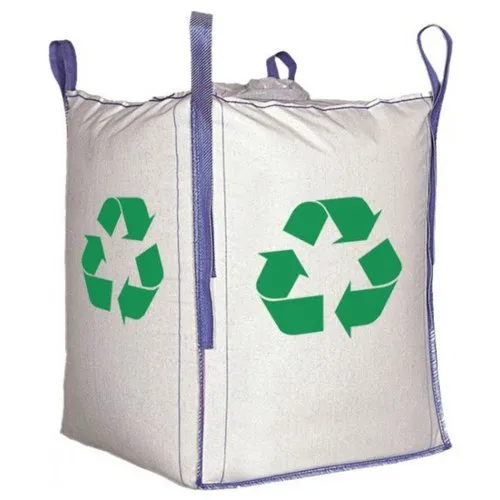
A Sustainable FIBC Bag is a bulk container designed to minimize environmental impact throughout its lifecycle. Moving beyond standard polypropylene bags, these eco-friendly versions are typically made from recycled materials and are themselves 100% recyclable.
Designed for Circularity: 100% Recyclable Bag
Modern FIBC bags are primarily made from polypropylene (PP), a highly recyclable thermoplastic. At the end of their useful life, these bags can be cleaned, processed, and transformed into new products—such as automotive parts, plastic lumber, or even new FIBC bags. This “cradle-to-cradle” approach keeps plastic waste out of landfills and conserves virgin resources.

Reusability: The Core of Waste Reduction
The most immediate sustainable feature of an FIBC is its reusability. Designed for multiple trips between manufacturers and end-users, a single bag can serve for years with proper handling. This “reuse” model is the most effective form of waste prevention, significantly reducing the number of single-use packaging bags that would otherwise be manufactured and disposed of after one trip.
Eco-Friendly by Nature: Resource Efficiency
FIBC bags are inherently sustainable due to their massive capacity. A single bag can hold up to 2,000 kg of material, replacing numerous smaller sacks or boxes. This drastically reduces the packaging waste, fuel consumption, and emissions associated with transportation, making the entire supply chain more efficient and lowering its carbon footprint.